PeerCollab Lecturer Training
Bringing Peer Assessment into Higher Education Classrooms Across Europe
5/22/2026
As part of the PeerCollab project, lecturers from different European higher education contexts have recently taken part in national training sessions on Peer Assessment. These sessions were designed to help university lecturers better understand, design and apply Peer Assessment strategies in their own teaching practice, using the PeerCollab Handbook and practical educational materials as a starting point.
The first evaluation responses show a very positive reception of the training. Lecturers particularly valued the practical nature of the sessions, the clarity of the explanations, the usefulness of the templates and examples, and the opportunity to reflect on how Peer Assessment can support student learning, engagement and active participation.
Across the responses received so far from Italy, Poland and Spain, participants rated the quality of the training very highly. They highlighted that the materials were clear and well structured, that the facilitators explained the concepts effectively, and that the activities helped them connect Peer Assessment with real teaching situations. Many lecturers also expressed their intention to begin implementing Peer Assessment gradually, often starting with small activities, group work, written assignments, presentations or practical projects.
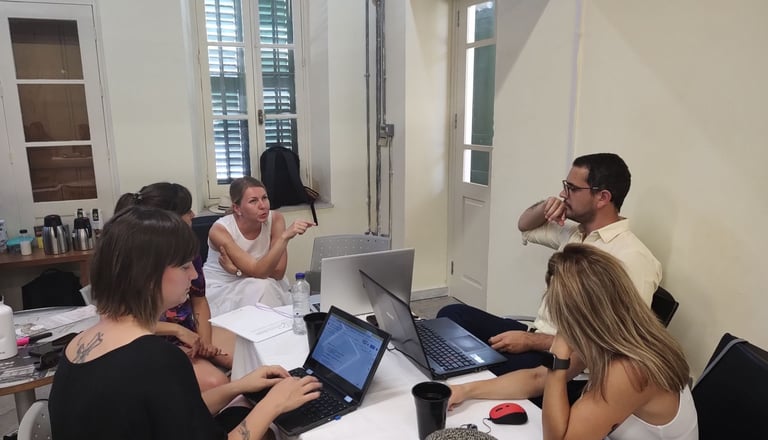
Spain: a particularly successful training experience at UFV
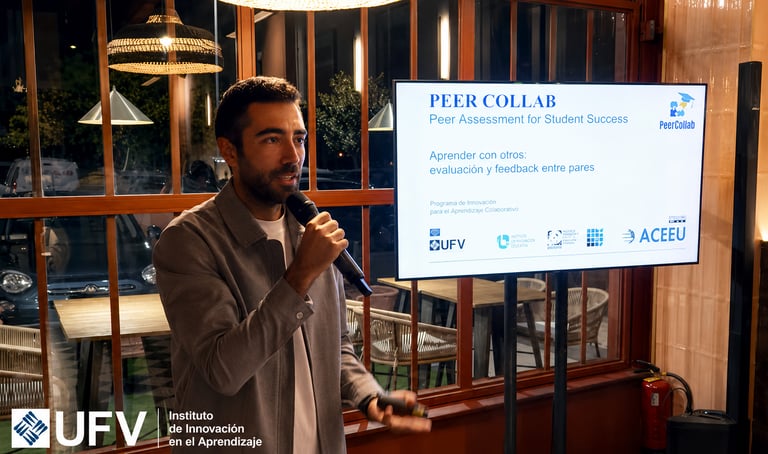
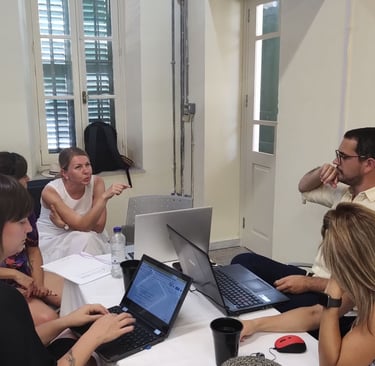
The training in Spain, hosted at Universidad Francisco de Vitoria, was especially successful. One of the key strengths of the Spanish session was that it was organised within one of the events promoted by the university’s Innovation Department. This allowed the PeerCollab training to reach a broad and diverse group of lecturers from different areas and disciplines across the university.
This diversity enriched the session significantly. Lecturers from different academic backgrounds were able to discuss how Peer Assessment could be adapted to different subjects, types of assignments and teaching contexts. The feedback from Spain shows that participants particularly valued the combination of theory, practical examples and collaborative activities.
Spanish lecturers highlighted several aspects as especially useful: understanding how Peer Assessment can support students’ learning process, learning how to scaffold Peer Assessment for students, seeing concrete examples, using adaptable templates, and reflecting on how to explain the purpose of Peer Assessment clearly to students.
The Spanish evaluation also identified some important challenges. Participants mentioned fairness, grading, rubric design, time planning and students’ seriousness when giving peer feedback as areas that require careful attention. These reflections are very valuable because they show that lecturers are not only interested in applying Peer Assessment, but also in doing so in a rigorous, fair and pedagogically meaningful way.
Overall, the UFV training became a strong example of how institutional support and collaboration with innovation structures can amplify the impact of a project activity. By embedding the training within an existing university innovation event, PeerCollab was able to reach more lecturers, foster interdisciplinary dialogue and strengthen the connection between the project and the university’s wider teaching innovation strategy.
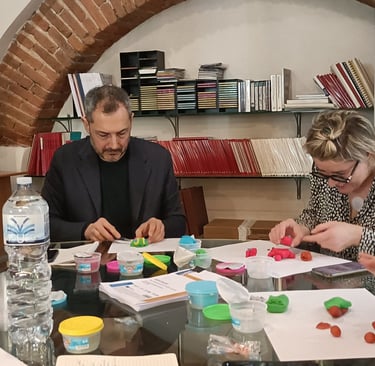
Italy: starting small and reflecting on practice
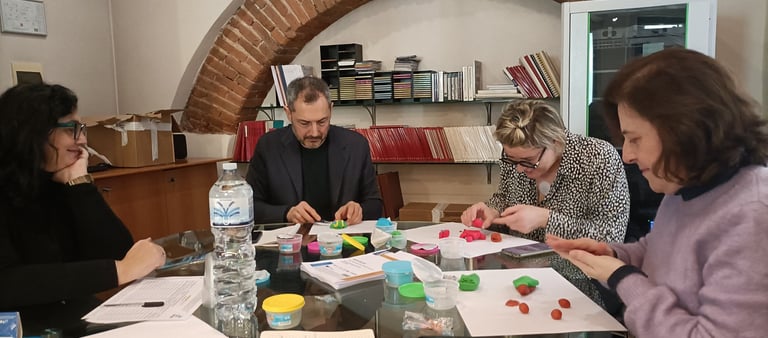
In Italy, participants especially appreciated the practical orientation of the training. Several lecturers mentioned that the session helped them reflect on their own teaching by connecting Peer Assessment to specific classroom situations. They also valued the opportunity to work with practical examples and to experience first-hand the complexity of defining assessment criteria.
The Italian feedback suggests that lecturers see Peer Assessment as a strategy that should be introduced progressively and realistically. Some participants indicated that they would like to start with small-scale activities before deciding how to expand the approach in their courses. This is an important insight for PeerCollab, as it reinforces the value of offering flexible and adaptable resources that lecturers can use according to their level of experience and teaching context.
Participants also valued the atmosphere of the training and the competence of the trainers. One recurring suggestion was the need for more time or additional sessions to go deeper into the design and implementation of Peer Assessment activities.
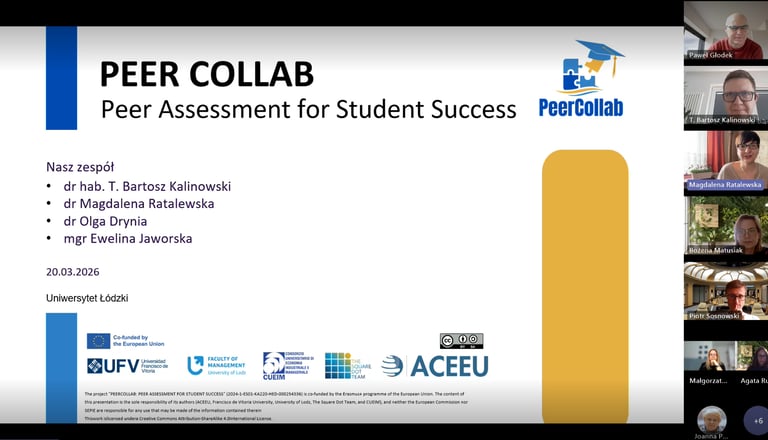
Poland: clear tools, templates and practical implementation
In Poland, lecturers responded very positively to the usefulness of the tools and templates presented during the training. Several participants highlighted the value of ready-made Peer Assessment templates, practical examples and clear explanations.
The Polish responses show strong interest in applying Peer Assessment in real teaching situations, particularly through group work, practical classes and redesigned course exercises. Lecturers also emphasised the potential of Peer Assessment to provide valuable feedback on students’ learning progress.
At the same time, some participants expressed the need for further training with the tools themselves, especially to feel more confident using them in practice. One particularly relevant suggestion was to develop the tools as online applications or digital resources that students could access during the Peer Assessment process. This feedback is highly valuable for the next stages of PeerCollab, as it points to the importance of usability, accessibility and digital integration.
Belgium: connecting Peer Assessment with active and student-centred learning
The PeerCollab training was also carried out in Belgium, following the same overall objective: helping lecturers move from a general understanding of Peer Assessment to a more concrete and applicable design for their own teaching practice.
Although evaluation form responses from Belgium are still being collected, the Belgian training contributed to the project by reinforcing some of the key principles that are central to PeerCollab: active learning, student participation, constructive feedback and practical implementation.
The session offered lecturers the opportunity to explore how Peer Assessment can be adapted to different educational contexts and how it can support students in becoming more aware of quality criteria, learning expectations and the value of feedback. As in the other countries, the Belgian training placed emphasis on making Peer Assessment manageable for lecturers, especially for those who may be interested in the approach but have not yet implemented it systematically in their courses.
This experience also helped strengthen the European dimension of PeerCollab, showing that while each national context has its own specific needs, lecturers across countries share a common interest in finding clear, useful and evidence-based strategies to make assessment more collaborative and learning-oriented.
From training to classroom implementation
The evaluation results confirm that the PeerCollab training has been a meaningful step towards the implementation of Peer Assessment in higher education classrooms. Lecturers across countries appreciated the practical focus of the training and showed interest in applying what they learned in their own courses.
At the same time, the feedback collected provides useful guidance for the next stages of the project. Participants are asking for more examples, more guided practice, further support with rubrics, and clearer ways to address fairness and grading. These insights will help the PeerCollab consortium refine its materials and continue supporting lecturers as they move from training to classroom implementation.
The project has now entered a particularly important phase: the Peer Assessment pilots are already being implemented or, in some cases, are close to completion. To support this process, the consortium designed two complementary types of support materials for lecturers. On the one hand, detailed implementation guidelines were created for lecturers who wanted a more complete and structured framework. On the other hand, a simpler step-by-step guide was also developed for lecturers with less experience or confidence in Peer Assessment, so that they could begin implementing it in a more accessible and manageable way.
This flexible approach is essential to PeerCollab’s mission. It recognises that lecturers may have different levels of previous knowledge, different teaching contexts and different amounts of time available. By offering both detailed guidance and more straightforward implementation pathways, PeerCollab aims to make Peer Assessment practical, inclusive and realistic for a wide range of higher education settings.
Through this process, PeerCollab continues to advance its core mission: helping lecturers integrate evidence-based Peer Assessment strategies that foster more active, collaborative and student-centred learning in higher education.
To follow the latest news, project updates and materials, you can join our LinkedIn group: PeerCollab LinkedIn Group
The project “PeerCollab” is co-funded by the Erasmus+ Programme of the European Union. The views expressed in the working papers, deliverables and reports are those of the project consortium partners. These views have not been adopted or approved by the Commission and should not be relied upon as a statement of the Commission’s or its services’ views. The European Commission does not guarantee the accuracy of the data included in the working papers and reports, nor does it accept responsibility for any use made thereof.
© 2025. All rights reserved.


Follow us
Keep in Touch
Project Number: 2024-1-ES01-KA220-HED-000254336